 NATYAKALPAADANCE STUDIOBharatanatyam · Preserving Art & Culture
Guidelines on different institutions' examinations & syllabus

Akhil Bhartiya Gandharva Mahavidyalaya Mandal · Syllabus for the exam
Note: A. D. - Abhinaya Darpan · N. S. - Natya Shastra
Footwork - 10 · Angashuddha - 10 · Rhythm - 10
Recitation - 10 · Demonstration - 10
Akhil Bhartiya Gandharva Mahavidyalaya Mandal · Syllabus for the exam
Note: Revision of the earlier course is compulsory and can be examined. A. D. - Abhinaya Darpan · N. S. - Natya Shastra
Adavu: (Advance Level) Clear demonstration of minimum three steps in the below mentioned groups in all three speeds:
Footwork - 15 · Angashuddha - 20 · Rhythm - 15
Other Bheda - 10 · Explanation - 5 · Viniyoga - 10
Akhil Bhartiya Gandharva Mahavidyalaya Mandal · Syllabus for the exam
Note: Inclusion of the earlier course is compulsory. A. D. - Abhinaya Darpan · N. S. - Natya Shastra
Footwork - 6 · Angashuddha - 6 · Rhythm - 8
Footwork - 10 · Angashuddha - 10 · Rhythm - 15 · Singing - 5
Footwork - 10 · Abhinaya - 20 · Rhythm - 10 · Singing - 5
Shariraja - 7 · Mukhraja - 8
Tala in 3 speeds - 5
Akhil Bhartiya Gandharva Mahavidyalaya Mandal · Syllabus for the exam
| Example: Chatushra Jati Rupak Tala | |
|---|---|
| 0 (Dhruta) | 1 (Laghu) |
| 1, 2 | 1, 2, 3, 4 |
| Ta – Ka | Ta – Ka – Dhi – Mi |
Note: Inclusion of the earlier course is compulsory. A. D. - Abhinaya Darpan · N. S. - Natya Shastra
Footwork - 6 · Angashuddha - 6 · Rhythm - 8
Footwork - 10 · Angashuddha - 10 · Rhythm - 15 · Singing - 5
Footwork - 10 · Abhinaya - 20 · Rhythm - 10 · Singing - 5
Shariraja - 7 · Mukhaja - 8
Tala in 3 speeds - 5
Akhil Bhartiya Gandharva Mahavidyalaya Mandal · Syllabus for the exam
Note: Inclusion of earlier course is compulsory and can be included in the examination. A. D. - Abhinaya Darpan · N. S. - Natya Shastra
Presentation · raga & tala · composer · theme / story · special features of the item
Presentation · raga & tala · composer · theme / story · ability to sing the item
Presentation · raga & tala · composer · theme / story · ability to sing the item
Presentation · raga & tala · composer · meaning of the verses · singing & analysis of the Bhaava-s
Akhil Bhartiya Gandharva Mahavidyalaya Mandal · Syllabus for the exam
Note: Inclusion of earlier course is compulsory and can be examined. A. D. - Abhinaya Darpan · N. S. - Natya Shastra
Footwork - 10 · Angashuddha - 20 · Rhythm - 10 · Abhinaya - 20
Mukhaja Abhinaya - 10 · Shariraja Abhinaya - 10
Mukhaja Abhinaya - 10 · Shariraja Abhinaya - 10
Nattuvangam - 30 · Viniyoga - 20 · Choreography - 20
Nritta - 15 · Abhinaya - 15
Nritta - 15 · Abhinaya - 15 · Presentation - 20
Akhil Bhartiya Gandharva Mahavidyalaya Mandal · Syllabus for the exam
Note: Revision of the earlier course is compulsory. A. D. - Abhinaya Darpan · N. S. - Natya Shastra
Footwork - 5 · Angashuddha - 10 · Rhythm - 10
Angashuddha - 8 · Rhythm - 7 · Abhinaya - 10
Shariraja Abhinaya - 5 · Mukhaja Abhinaya - 5
Jaati - 5 · Sthanaka - 5 · Theermanam - 5
Praveshika Pratham · Theory (Oral) · Explaining the definition
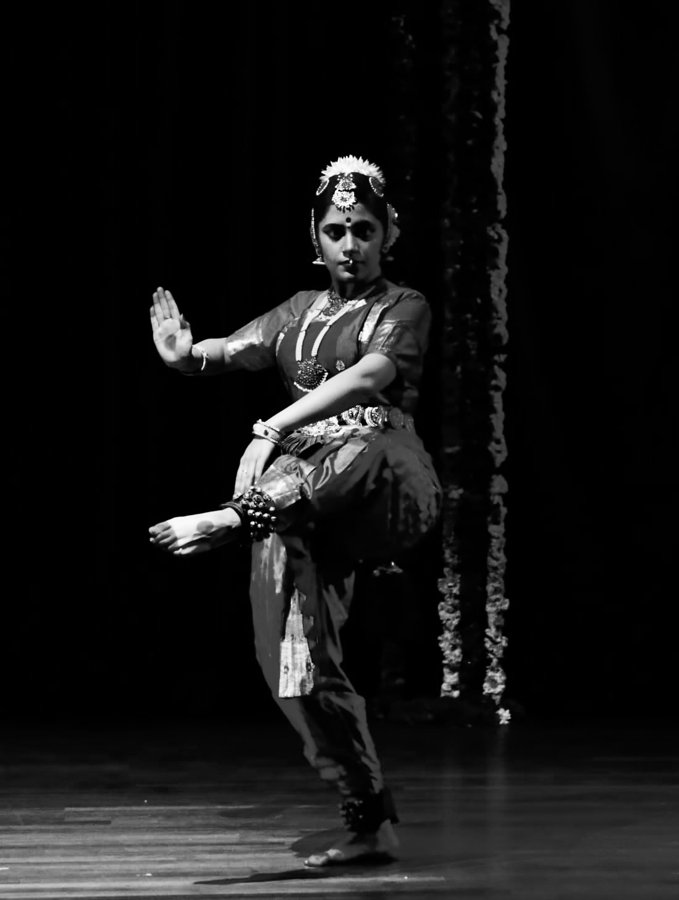
The word Adavu comes from the Tamil word “Adu”, which means to dance or to move rhythmically.
Definition: Adavu is the basic unit of movement in Bharatanatyam. It is a structured combination of footwork, hand gestures, body posture, and rhythm. It forms the foundation technique of Bharatanatyam and is practiced repeatedly to develop balance, precision, coordination, rhythmic sense (laya), and stamina.
Main Features of Adavu: An Adavu is a systematic sequence of movements performed in a rhythmic pattern. It involves the coordinated use of different parts of the body, namely:
Thus, Adavus train the dancer in complete body coordination and control. Adavus are performed to specific syllables called Sollukattu or Bols such as: Tai Ya Tai, Tai Hat Tai Hi, Tai Dhit Tai.
In Bharatanatyam there are several groups of Adavus, which form the technical base of the dance.
Importance of Adavus: The adavus form the foundation of Bharatanatyam. They are the basic dance steps that help in developing rhythm, balance, posture, coordination, and body control. Regular practice of adavus improves grace, stamina, and precision in movements, forming the base for performing all Bharatanatyam items effectively.
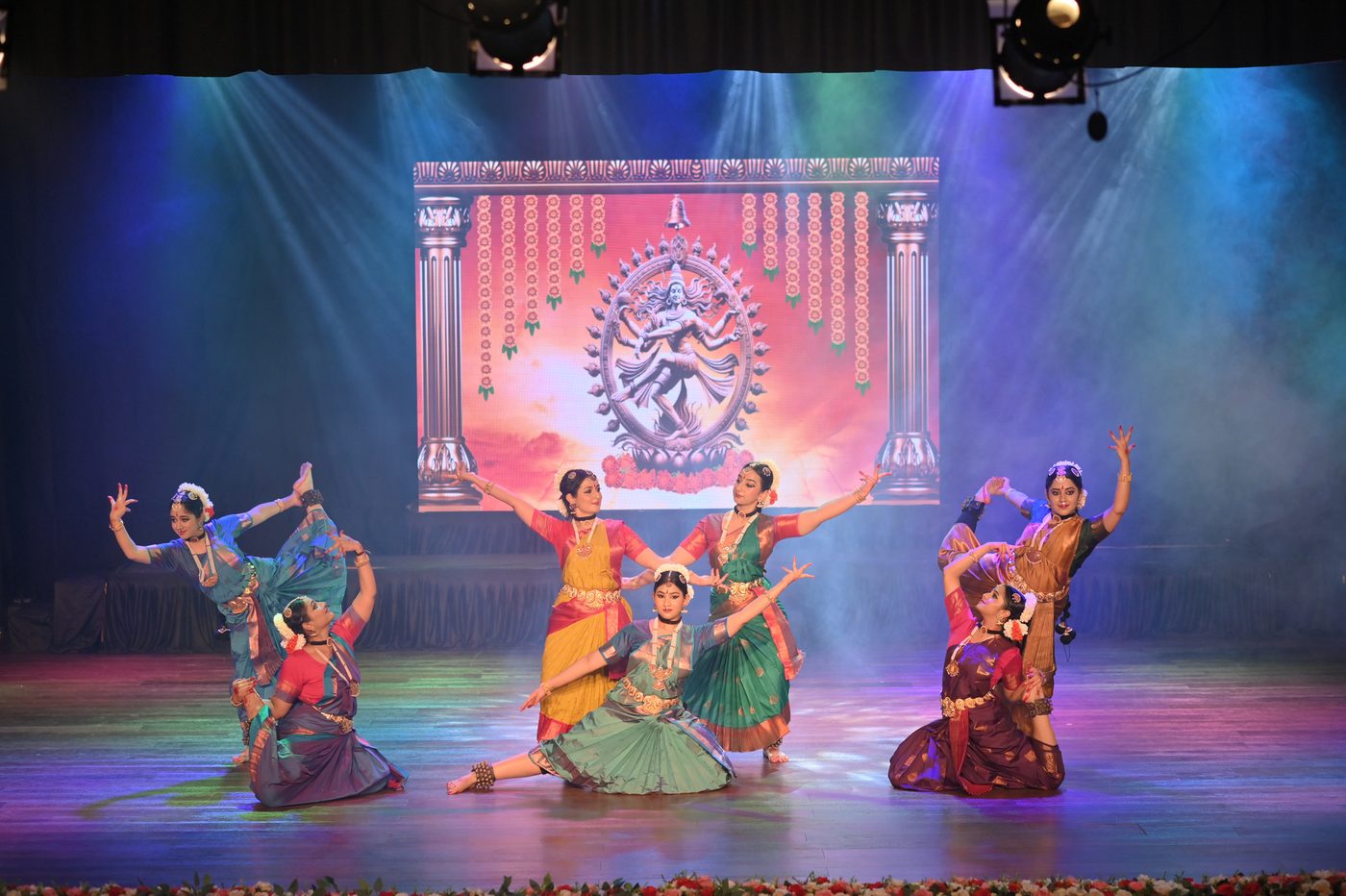
Prarambhik · Theory (Oral) · Meaning of the term Bharata Natyam
The word Bharatanatyam is derived from two parts:
Thus, Bharatanatyam means: A dance form that combines expression (Bhava), music (Raga), and rhythm (Tala).
It is also linked to Natyashastra by Bharata Muni, from whom the name “Bharata” is believed to originate. Bharatanatyam originated in Tamil Nadu. It developed in the temples of South India, especially in:
It was traditionally performed by Devadasis (temple dancers) as a form of devotional offering (Seva).
Nritta · Nritya · Natya · Praveshika Pratham · Theory (Oral)
In Indian classical dance (especially in Bharatanatyam and other classical forms), the art is broadly divided into three main aspects: Nritta, Nritya, and Natya.
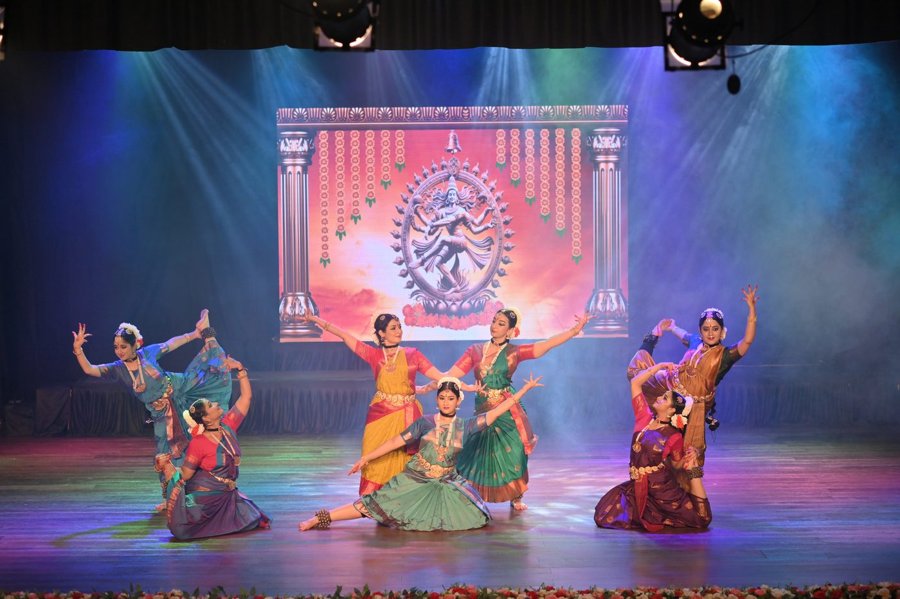
Nritta refers to pure dance movements without any expression or storyline.
Example: Items of Bharatanatyam Margam - Alarippu, Jatiswaram, Tillana mainly show Nritta.
Nritya is the expressional aspect of dance.
Example: Items like Padam, Javali, Shabdam in Bharatanatyam mainly represent Nritya.
Natya refers to dramatic storytelling through dance.
Example: Dance dramas based on Ramayana or Mahabharata or traditional theatre forms like Kathakali and Koodiyattam.
In short, these three terms can be simply referred to as:
Praveshika Pratham · Theory (Oral) · Explaining the definition
Sanskrit Meaning: The word Laya means rhythm, tempo, or the flow of time in music and dance.
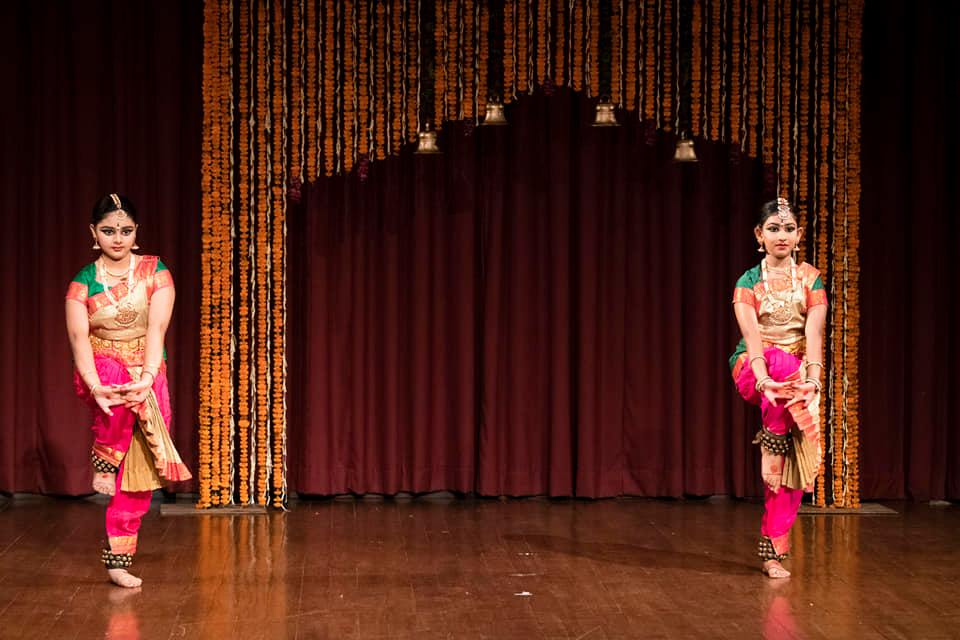
Definition (English): Laya is the speed or tempo at which music or dance movements are performed, maintaining a steady and continuous flow of rhythm.
Traditionally, there are three main types of Laya.
The rhythm moves slowly and calmly, allowing detailed expression and graceful movements.
The rhythm flows at a moderate speed, neither slow nor fast.
The rhythm moves very quickly, showing energy and speed.
In Bharatanatyam, dancers often perform Adavus and Jatis in three speeds, called Trikaalam:
Prarambhik · Theory (Oral) · Classical dance styles
Explore the classical dances prescribed in the Akhil Bharatiya Gandharva Mahavidyalaya syllabus. Discover each dance form in serial-wise order and experience the grace, rhythm, expressions and rich cultural heritage of Indian classical dance.
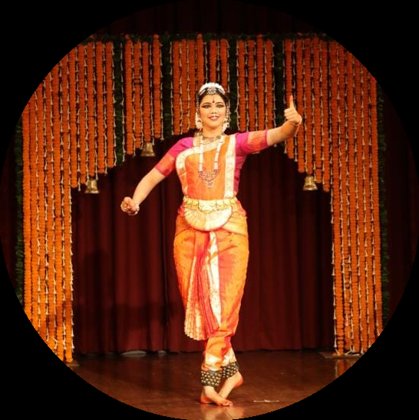 1BharatanatyamTamil Nadu
Music style: Carnatic
It originated in the temples of Tamil Nadu. It combines nritta (pure dance), nritya (expressional dance) and natya (dramatic storytelling) with rhythm, expressions and graceful movements.
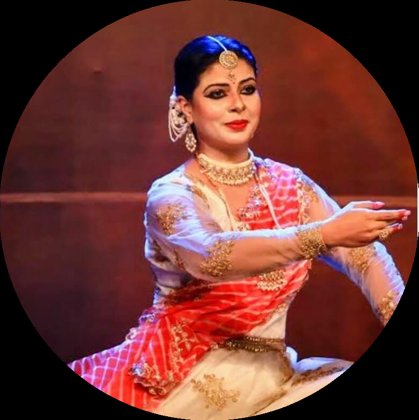 2KathakUttar Pradesh
Music style: Hindustani
It originated from the storytelling traditions of temple dancers called Kathakars. It is known for its intricate footwork, fast spins (chakkars) and expressive storytelling.
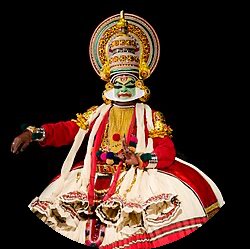 3KathakaliKerala
Music style: Sopana Sangeetham
It is known for its elaborate costumes, dramatic makeup, powerful expressions and storytelling based on Hindu epics.
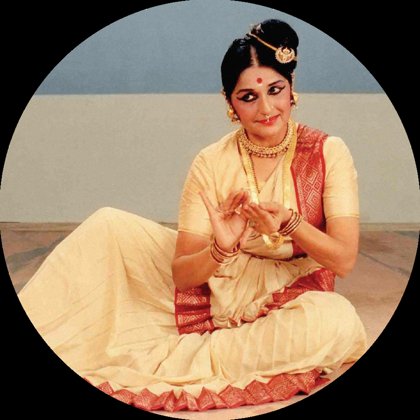 4MohiniattamKerala
Music style: Carnatic
It is known for its soft, flowing movements and gentle expressions, often depicting themes of love and devotion.
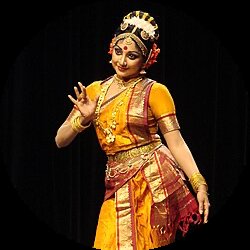 5KuchipudiAndhra Pradesh
Music style: Carnatic
It is known for its graceful movements, expressive storytelling and the unique tradition of dance-drama performances.
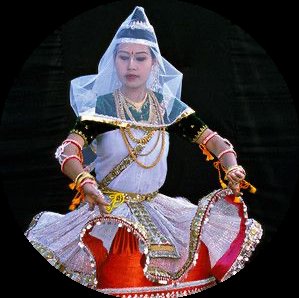 6ManipuriManipur
Music style: Manipuri classical music
It is known for its graceful movements, soft footwork and devotional themes, especially the stories of Radha and Krishna.
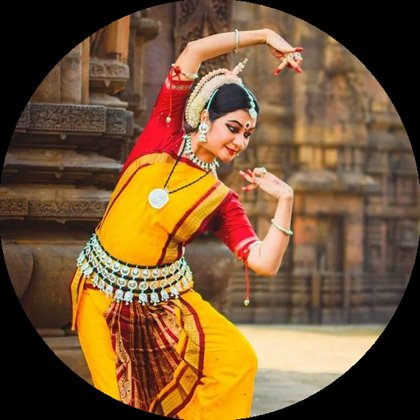 7OdissiOdisha
Music style: A blend of Hindustani classical & regional music traditions
It originated from the temples of Odisha. It is known for its graceful movements, sculptural poses and the distinctive tribhangi posture.
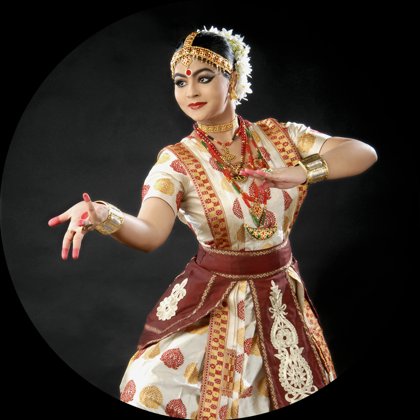 8SatriyaAssam
Music style: Assamese devotional music by Srimanta Sankardeva
It originated in the monasteries (Sattras) of Assam. It was introduced by the saint-scholar Srimanta Sankardeva as a medium to spread devotion and the teachings of Vaishnavism.
Madhyama Pratham · Theory (Written) · Chaturvidha Abhinaya
अंगिकं भुवनं यस्य वाचिकं सर्व वाङ्मयम्।
आहार्यं चन्द्र तारादि तम् नमः सात्विकं शिवम्॥
Angikam bhuvanam yasya Vachikam sarva vangmayam
Aharyam chandra taradi. Tam namah sattvikam shivam
This verse beautifully connects dance and the universe through the concept of Abhinaya described in the Natyashastra.
Abhinaya is the art of expressing emotion, meaning and story in Indian classical dance. The word Abhinaya is derived from two Sanskrit words: Abhi – towards, and Naya – to lead.
Thus, Abhinaya means “to lead the audience towards the meaning or emotion of the performance.” According to the Natya Shastra, Abhinaya is divided into four main types, known as Chaturvidha Abhinaya.
Angika Abhinaya refers to expression through body movements and gestures. It includes movements of the major limbs, secondary limbs and minor facial parts.
Examples: hand gestures (Hasta Mudras), eye movements (Drishti Bheda), head movements (Shiro Bheda) and neck movements (Griva Bheda).
Vachika Abhinaya refers to expression through speech, dialogue, songs and music. It includes:
In dance dramas and theatrical traditions such as Yakshagana and Kathakali, Vachika Abhinaya plays an important role. In Bharatanatyam the dancer usually does not speak; the lyrics, music and nattuvangam provide the Vachika element.
Aharya Abhinaya refers to costume, makeup, ornaments and stage presentation that help portray the character.
These elements enhance the visual appeal and help the audience understand the character and mood of the performance.
Satvika Abhinaya represents the true inner feelings and emotions of the performer. It arises from the mind and heart and reflects the psychological state of the character.
Eight Satvika Bhavas according to the Natya Shastra:
These appear when emotions become very intense, such as love, sorrow, fear or devotion.
The four aspects of Abhinaya — Angika, Vachika, Aharya and Satvika — work together to create a complete artistic expression in Indian classical dance. Through them, a dancer communicates story, emotion and aesthetic experience (Rasa) effectively to the audience.
Central Board of Secondary Education · Bharatanatyam
More topics of the Grade 11 syllabus will be added here.
Names of the 7 Tandavas with detailed stories · Tandava & Lasya
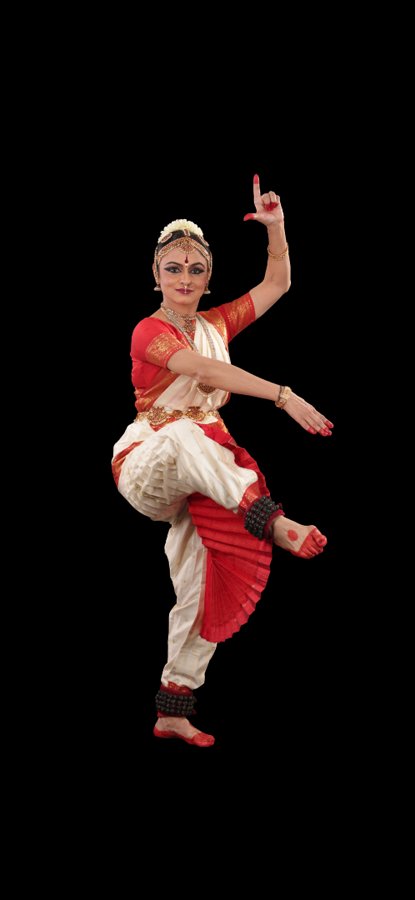
Tāṇḍava is a vigorous and energetic mode of dance associated with Lord Śiva. It uses powerful movements and rhythms and is often contrasted with Lāsya, which is generally graceful and gentle.
Tāṇḍava should not be understood as a dance performed only by men; classical dance traditions include both masculine and feminine expressions of movement.
Two classifications to keep distinct: the Sapta Tāṇḍava list names seven forms of Śiva’s dance. A separate classification, attributed to the Bhāvaprakāśana tradition, describes varieties such as Uccaṇḍa, Chaṇḍa, Prachaṇḍa, Prapanna and Preraṇa. These are not the same list. Spellings and descriptions may vary across teaching traditions.
A commonly taught list: Ānanda, Sandhyā, Umā, Gaurī, Kālikā, Tripura and Saṃhāra. Stories, meanings and rasa associations may vary by source; the descriptions below are traditional interpretations rather than one definitive account.
| Form | Traditional description | Significance | Rasa often associated |
|---|---|---|---|
| 1. Ānanda Tāṇḍava | Śiva dances as Naṭarāja, with the dwarf Apasmāra beneath his foot. A popular story links the dance to Śiva’s triumph over the sages’ magical forces in the Dāruka forest. | Represents bliss and the cosmic acts of creation, preservation, dissolution, concealment and grace. | Adbhuta (wonder); Śānta (peace) |
| 2. Sandhyā Tāṇḍava | Śiva’s twilight dance, accompanied by the gods and their music. | Suggests cosmic harmony and the transition between times. | Śānta |
| 3. Umā Tāṇḍava | Śiva dances with Umā (Pārvatī) beside him. | Portrays divine companionship and harmony. | Śṛṅgāra (love); Adbhuta |
| 4. Gaurī Tāṇḍava | A form of Śiva’s dance associated with Gaurī, another name of Pārvatī. | May be interpreted as the harmony of Śiva and Śakti. | Śṛṅgāra; Adbhuta |
| 5. Kālikā Tāṇḍava | A fierce form associated in some traditions with Śiva and the power of Kālī. | Represents the force that overcomes destructive powers. | Raudra (fury); Vīra (heroism) |
| 6. Tripura Tāṇḍava | Associated with Śiva’s destruction of the three cities of the asuras, Tripura. | Signifies the defeat of arrogance and the restoration of cosmic order. | Vīra |
| 7. Saṃhāra Tāṇḍava | Śiva’s dance of cosmic dissolution. | Represents the dissolution that precedes renewal. | Raudra; Bhayānaka (fear or awe) |
The story of Tripura: the three asura brothers — Tārakākṣa, Kamalākṣa and Vidyunmālī — were granted three flying cities made of gold, silver and iron. When the cities aligned, Śiva destroyed them with a single arrow. Some dance accounts associate a Tāṇḍava with this victory. The details of the divine chariot and its components differ across tellings.
These terms describe varieties of Tāṇḍava through movement vocabulary and dramatic quality. They should not be treated as another list of seven Tāṇḍavas.
| Variety | Classical movement vocabulary commonly given | Rasa commonly associated |
|---|---|---|
| Uccaṇḍa | Ākāśacārī, forceful aṅgahāras and bhramaris | Raudra, Bībhatsa and Bhayānaka |
| Chaṇḍa | Bhūmicārī, karaṇas and aṅgahāras | Vīra, Raudra |
| Prachaṇḍa | Forceful utplavanas (leaps), karaṇas and bhramaris | Raudra, Bībhatsa |
| Prapanna | Included among the less forceful or deśī varieties in some summaries; its specific movement vocabulary is not consistently stated | A fixed rasa is not consistently specified |
| Preraṇa | Also grouped with the less forceful or deśī varieties in some summaries | A fixed rasa is not consistently specified |
Classical-term note: Ākāśa-bhramarī and Ekapāda-bhramarī are distinct bhramarī types listed in the Abhinaya Darpaṇa. The descriptions above say bhramarī generally; they do not establish that Uccaṇḍa or Prachaṇḍa specifically requires either of those two turns. Similarly, Bhūmicārī means a ground-based chārī and should not be called “Bhūmi-bhramarī”.
CBSE Grade 11 · Topic 2 · Acquaintance with the themes
The Gita Govinda is a celebrated Sanskrit lyrical masterpiece composed in the 12th century by Jayadeva. It is one of the most important devotional works in Indian literature and has greatly influenced Indian classical music, dance, painting and devotional traditions.
The central theme of the Gita Govinda is the divine love between Lord Krishna and Radha. Through beautiful poetry and music, Jayadeva portrays the emotions of love, separation, longing, jealousy, devotion, reconciliation and ultimate union.
The poem depicts the eternal and divine love between Radha and Krishna. Their relationship symbolizes the bond between the individual soul (Jivatma) and the Supreme Soul (Paramatma).
One of the most important themes is Radha’s sorrow and longing when Krishna is away. The intense feeling of separation deepens her love and devotion.
After realizing Radha’s pain, Krishna seeks forgiveness and desires reunion with her. His longing reflects the compassionate nature of the Divine.
The poem culminates in the joyful reunion of Radha and Krishna, symbolizing spiritual fulfillment and union with the Divine.
The Gita Govinda is a major source of repertoire for Bharatanatyam, Odissi, Kuchipudi and other classical dance traditions. Its rich emotional content provides immense scope for abhinaya (expressional dance).
The Gita Govinda is a timeless devotional masterpiece that portrays the divine love of Radha and Krishna. Through themes of love, separation, longing, devotion and reunion, it conveys profound spiritual truths and continues to inspire dancers, musicians and devotees across the world.
CBSE Grade 11 · Topic 2 · Acquaintance with the themes
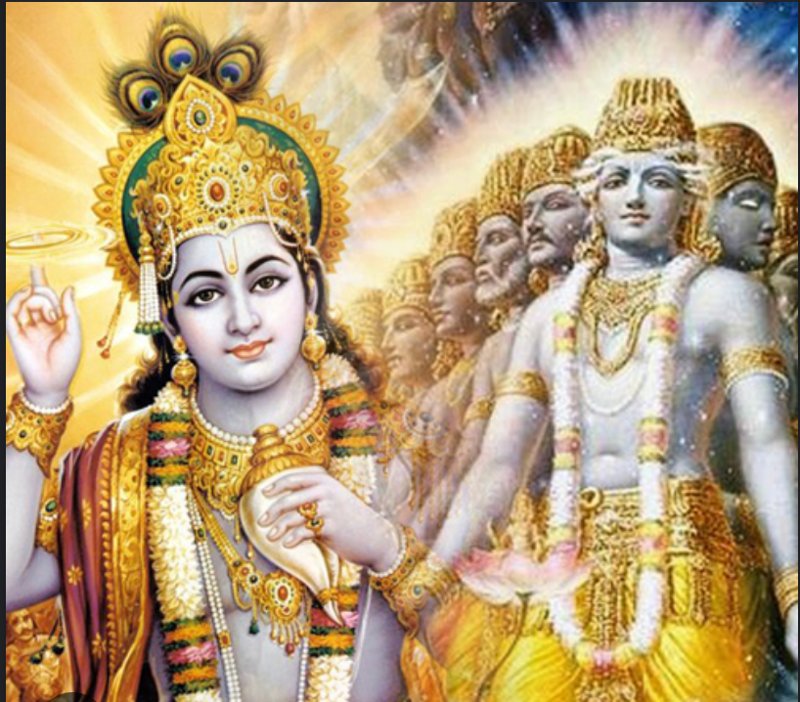
The Bhagavata Purana (Srimad Bhagavatam) is one of the most sacred Hindu scriptures, dedicated to the glory of Lord Vishnu and especially Lord Krishna. Traditionally attributed to Maharishi Vedavyasa, it consists of 12 Skandas (Cantos) and approximately 18,000 verses.
The text emphasizes Bhakti (devotion) as the highest path to spiritual realization.
Conclusion: The Bhagavata Purana is a treasure house of devotion, philosophy and mythology. Its stories of Dhruva, Prahlada, Ajamila, Gajendra, Dashavatara and Krishna Leela continue to inspire devotees and serve as important themes in Bharatanatyam and other Indian classical dance traditions.
These are thematic classifications derived from the Bhagavata Purana, often used in traditional studies and dance syllabi to group its contents by spiritual purpose. They are not separate books; they are educational groupings of stories drawn from different parts of the 12 Skandas.
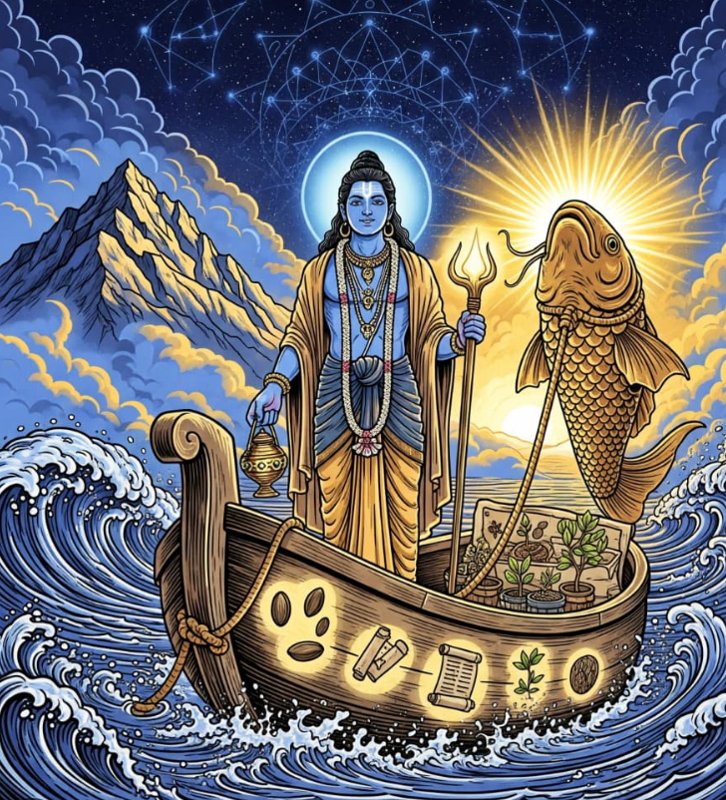
Deals with the process of creation and the path of spiritual discipline. It includes the story of Manu, who was saved by Lord Vishnu in the Matsya Avatar during the great deluge. It also describes the structure of the universe — the earth, planetary systems, mountains, oceans and cosmic order — and teaches the importance of dharma, devotion and divine guidance.
Focuses on divine protection of devotees. It narrates the story of Prahlada, the devoted son of the demon king Hiranyakashipu. Despite severe torture and opposition from his father, Prahlada remained steadfast in his devotion to Lord Vishnu, who manifested as Narasimha Avatar to protect him and destroy evil.
Centred on Lord Krishna’s divine incarnation and life: his birth in Mathura, his childhood in Gokula and Vrindavan, his playful leelas and his protection of devotees. Important episodes include Putana Vadha, Kaliya Mardana, Govardhana Dharana, Rasa Leela and Kamsa Vadha.
CBSE Grade 11 · Topic 2 · Acquaintance with the themes
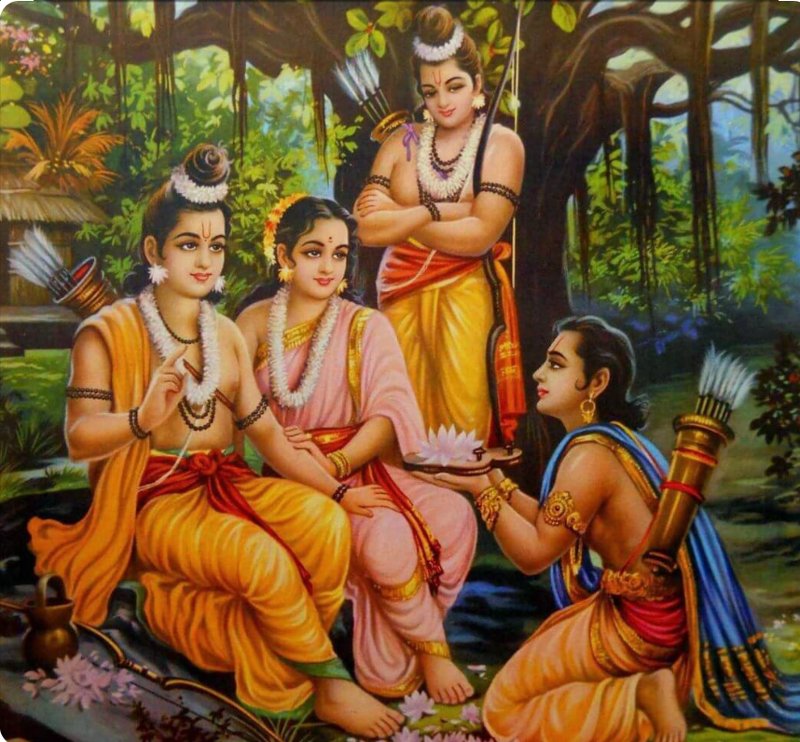
The Ramayana, composed by Maharishi Valmiki, is one of the greatest epics of India. It narrates the life and ideals of Lord Rama and is divided into seven Kandas (Books).
Describes the birth and early life of Rama, Lakshmana, Bharata and Shatrughna. Sage Vishwamitra takes Rama and Lakshmana to protect his yajna from demons. Rama liberates Ahalya from her curse and later participates in Sita Swayamvara, where he breaks Lord Shiva’s bow and marries Sita.
Focuses on the events leading to Rama’s exile. King Dasharatha decides to crown Rama, but Queen Kaikeyi claims two boons and demands Bharata’s coronation and Rama’s fourteen-year exile. Rama willingly accepts, accompanied by Sita and Lakshmana. Dasharatha dies in grief, and Bharata refuses the throne, ruling Ayodhya as Rama’s representative.
Narrates the life of Rama, Sita and Lakshmana in the forests of Dandakaranya. The episode of Surpanakha occurs here, leading to Ravana’s desire for revenge. With the help of Maricha disguised as a golden deer, Ravana abducts Sita and takes her to Lanka. The dying Jatayu informs Rama about the abduction.
While searching for Sita, Rama and Lakshmana reach Kishkindha and befriend Hanuman and Sugriva. Rama helps Sugriva regain his kingdom by defeating Vali. In return, Sugriva sends his Vanara army in all directions to search for Sita.
Dedicated mainly to Hanuman’s heroic journey. Hanuman leaps across the ocean to Lanka, discovers Sita in Ashoka Vatika and reassures her with Rama’s ring. Sita gives him her Choodamani as a token for Rama. Hanuman destroys parts of Lanka and returns with news of Sita.
Describes the great war between Rama and Ravana. Rama’s army builds the Rama Setu across the ocean and marches to Lanka. Fierce battles involve Kumbhakarna, Indrajit, Hanuman, Lakshmana and others. Rama defeats Ravana and rescues Sita, and after the Agni Pariksha they return to Ayodhya.
Narrates the events after Rama’s coronation. Due to public criticism, Sita takes refuge in Sage Valmiki’s hermitage, where she gives birth to Lava and Kusha, who later recite the Ramayana before Rama. Eventually Sita returns to Mother Earth, and Rama returns to his divine abode.
The seven Kandas of the Ramayana together portray the ideals of dharma (righteousness), devotion, duty, sacrifice, courage and truth, making the epic a timeless guide for moral and spiritual living.
Madhyama Purna · Folk Dances & Dance Dramas of India
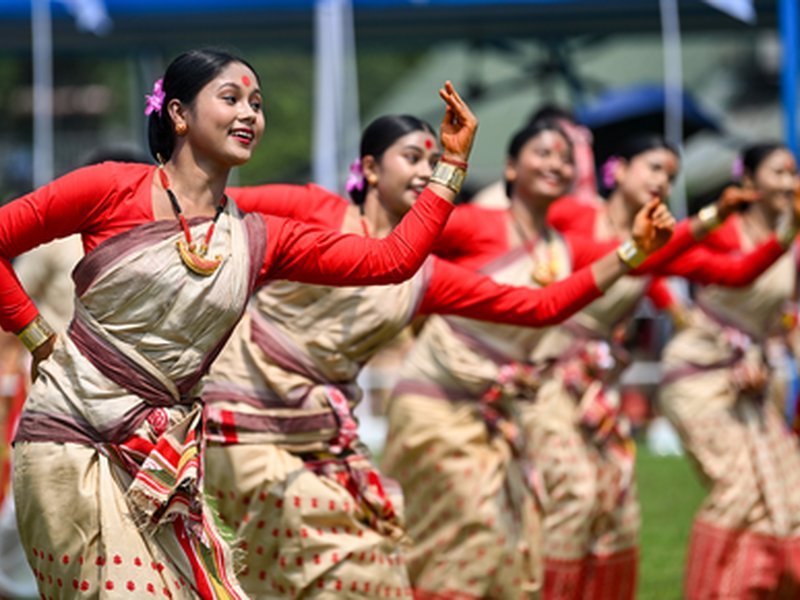
Bihu is a vibrant folk dance of Assam in northeastern India. It is closely connected with the agricultural traditions of the Assamese people and celebrates the arrival of spring and the harvest season.
It is mainly performed by young men and women during the Bihu Festival, which marks the Assamese New Year and the beginning of the farming cycle.
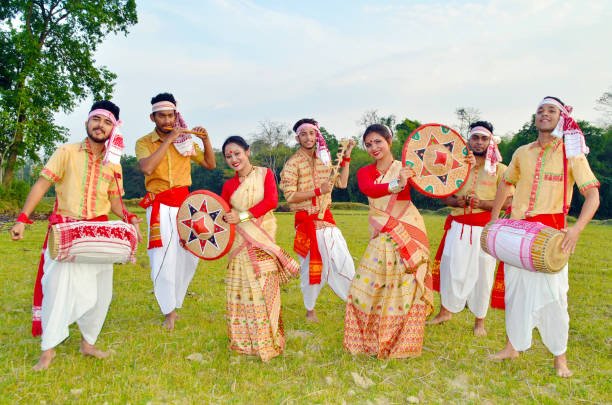
There are three main Bihu festivals:
Bihu is performed with lively folk music. The music is energetic and encourages fast, joyful movements.
Bihu dance is an important cultural symbol of Assam. It reflects youth, happiness, fertility and community celebration. It expresses the joy of spring, agricultural prosperity and social harmony, and plays a vital role in preserving the traditions, music and cultural identity of the Assamese people.
Madhyama Purna · Folk Dances & Dance Dramas of India
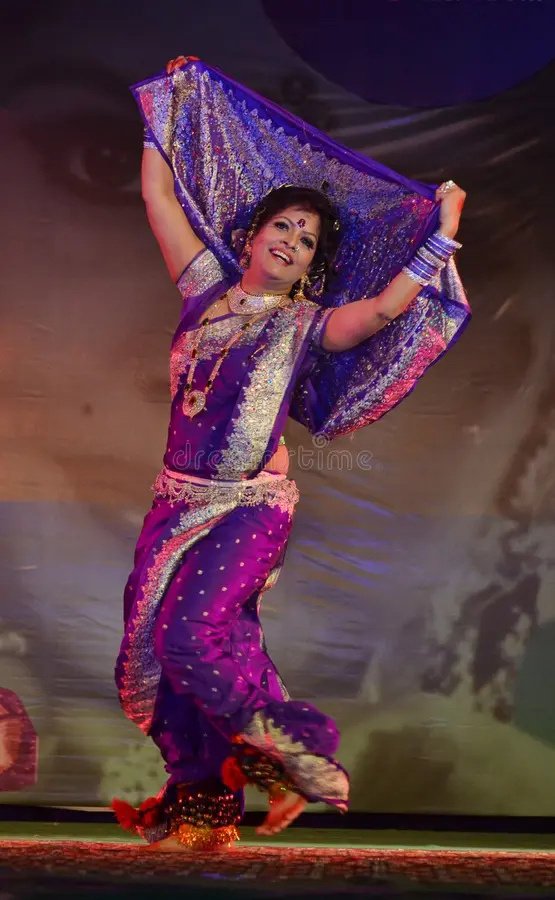
Lavani is a popular folk dance of Maharashtra. It developed during the 17th–18th century and flourished during the rule of the Maratha Empire and the Peshwas. It was traditionally performed to entertain soldiers and the public.
Lavani is closely associated with the folk theatre tradition of Maharashtra called Tamasha.
The dancer wears a nine-yard saree (Nauvari) draped in a special Maharashtrian style that allows free movement for energetic steps. The hair is tied in a bun decorated with flowers.
Lavani is performed with lively, energetic folk music. The rhythmic beats guide the dancers’ movements and expressions.
Performed on the powerful rhythm of the Dholki, Lavani combines energetic movements, expressive gestures and rhythmic footwork, with great focus on abhinaya and strong body movements matching the fast beats.
Lavani songs are based on Marathi poetry expressing love, social themes, devotion and humour. The lyrics are rhythmic, lively and sometimes dramatic.
Performed on stage or in traditional Tamasha folk theatre, with live musicians and singers, creating a lively and interactive atmosphere.
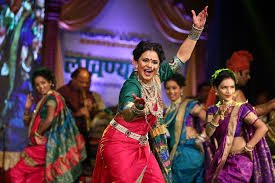
Lavani is an important part of Maharashtrian folk culture and heritage. It combines dance, music, poetry and theatre, and is known for its powerful rhythm, expressive storytelling and energetic performance style.
Famous Lavani dancers: Yamunabai Waikar, Surekha Punekar and Sulochana Chavan.