 NATYAKALPAADANCE STUDIOBharatanatyam · Preserving Art & Culture
Prarambhik · Theory (Oral) · Akhil Bhartiya Gandharva Mahavidyalaya Mandal
Explore the classical dances prescribed in the Akhil Bharatiya Gandharva Mahavidyalaya syllabus. Discover each dance form in serial-wise order and experience the grace, rhythm, expressions and rich cultural heritage of Indian classical dance.
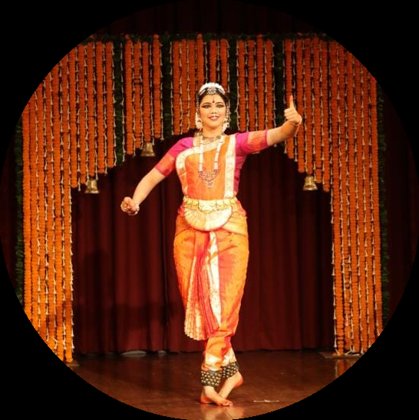 1BharatanatyamTamil Nadu
Music style: Carnatic
It originated in the temples of Tamil Nadu. It combines nritta (pure dance), nritya (expressional dance) and natya (dramatic storytelling) with rhythm, expressions and graceful movements.
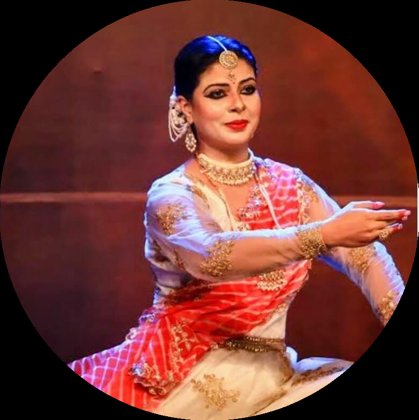 2KathakUttar Pradesh
Music style: Hindustani
It originated from the storytelling traditions of temple dancers called Kathakars. It is known for its intricate footwork, fast spins (chakkars) and expressive storytelling.
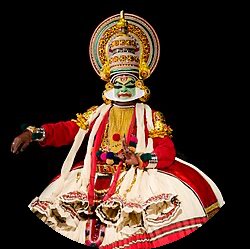 3KathakaliKerala
Music style: Sopana Sangeetham
It is known for its elaborate costumes, dramatic makeup, powerful expressions and storytelling based on Hindu epics.
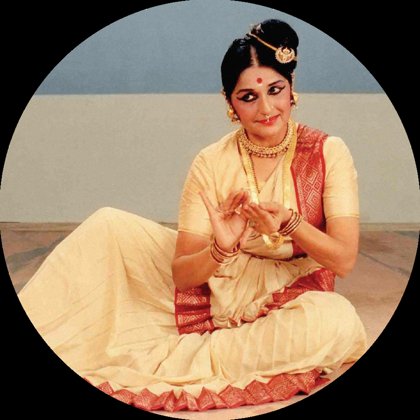 4MohiniattamKerala
Music style: Carnatic
It is known for its soft, flowing movements and gentle expressions, often depicting themes of love and devotion.
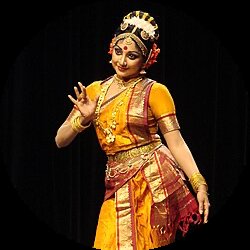 5KuchipudiAndhra Pradesh
Music style: Carnatic
It is known for its graceful movements, expressive storytelling and the unique tradition of dance-drama performances.
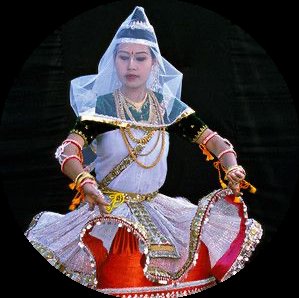 6ManipuriManipur
Music style: Manipuri classical music
It is known for its graceful movements, soft footwork and devotional themes, especially the stories of Radha and Krishna.
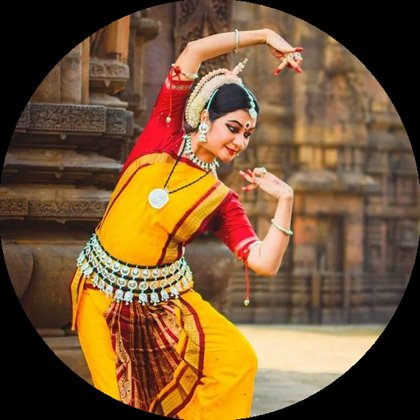 7OdissiOdisha
Music style: A blend of Hindustani classical & regional music traditions
It originated from the temples of Odisha. It is known for its graceful movements, sculptural poses and the distinctive tribhangi posture.
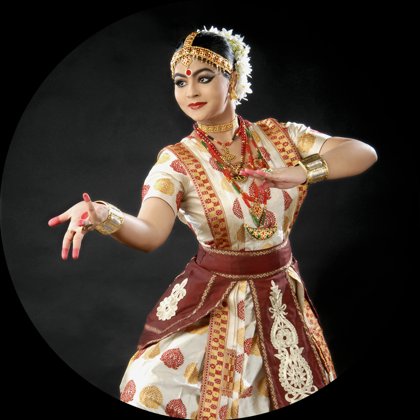 8SatriyaAssam
Music style: Assamese devotional music by Srimanta Sankardeva
It originated in the monasteries (Sattras) of Assam. It was introduced by the saint-scholar Srimanta Sankardeva as a medium to spread devotion and the teachings of Vaishnavism.