 NATYAKALPAADANCE STUDIOBharatanatyam · Preserving Art & Culture
Names of the 7 Tandavas with detailed stories · Tandava & Lasya
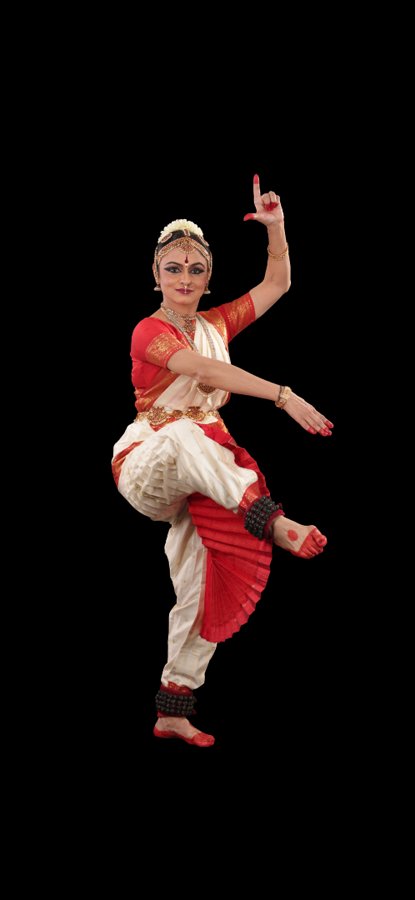
Tāṇḍava is a vigorous and energetic mode of dance associated with Lord Śiva. It uses powerful movements and rhythms and is often contrasted with Lāsya, which is generally graceful and gentle.
Tāṇḍava should not be understood as a dance performed only by men; classical dance traditions include both masculine and feminine expressions of movement.
Two classifications to keep distinct: the Sapta Tāṇḍava list names seven forms of Śiva’s dance. A separate classification, attributed to the Bhāvaprakāśana tradition, describes varieties such as Uccaṇḍa, Chaṇḍa, Prachaṇḍa, Prapanna and Preraṇa. These are not the same list. Spellings and descriptions may vary across teaching traditions.
A commonly taught list: Ānanda, Sandhyā, Umā, Gaurī, Kālikā, Tripura and Saṃhāra. Stories, meanings and rasa associations may vary by source; the descriptions below are traditional interpretations rather than one definitive account.
| Form | Traditional description | Significance | Rasa often associated |
|---|---|---|---|
| 1. Ānanda Tāṇḍava | Śiva dances as Naṭarāja, with the dwarf Apasmāra beneath his foot. A popular story links the dance to Śiva’s triumph over the sages’ magical forces in the Dāruka forest. | Represents bliss and the cosmic acts of creation, preservation, dissolution, concealment and grace. | Adbhuta (wonder); Śānta (peace) |
| 2. Sandhyā Tāṇḍava | Śiva’s twilight dance, accompanied by the gods and their music. | Suggests cosmic harmony and the transition between times. | Śānta |
| 3. Umā Tāṇḍava | Śiva dances with Umā (Pārvatī) beside him. | Portrays divine companionship and harmony. | Śṛṅgāra (love); Adbhuta |
| 4. Gaurī Tāṇḍava | A form of Śiva’s dance associated with Gaurī, another name of Pārvatī. | May be interpreted as the harmony of Śiva and Śakti. | Śṛṅgāra; Adbhuta |
| 5. Kālikā Tāṇḍava | A fierce form associated in some traditions with Śiva and the power of Kālī. | Represents the force that overcomes destructive powers. | Raudra (fury); Vīra (heroism) |
| 6. Tripura Tāṇḍava | Associated with Śiva’s destruction of the three cities of the asuras, Tripura. | Signifies the defeat of arrogance and the restoration of cosmic order. | Vīra |
| 7. Saṃhāra Tāṇḍava | Śiva’s dance of cosmic dissolution. | Represents the dissolution that precedes renewal. | Raudra; Bhayānaka (fear or awe) |
The story of Tripura: the three asura brothers — Tārakākṣa, Kamalākṣa and Vidyunmālī — were granted three flying cities made of gold, silver and iron. When the cities aligned, Śiva destroyed them with a single arrow. Some dance accounts associate a Tāṇḍava with this victory. The details of the divine chariot and its components differ across tellings.
These terms describe varieties of Tāṇḍava through movement vocabulary and dramatic quality. They should not be treated as another list of seven Tāṇḍavas.
| Variety | Classical movement vocabulary commonly given | Rasa commonly associated |
|---|---|---|
| Uccaṇḍa | Ākāśacārī, forceful aṅgahāras and bhramaris | Raudra, Bībhatsa and Bhayānaka |
| Chaṇḍa | Bhūmicārī, karaṇas and aṅgahāras | Vīra, Raudra |
| Prachaṇḍa | Forceful utplavanas (leaps), karaṇas and bhramaris | Raudra, Bībhatsa |
| Prapanna | Included among the less forceful or deśī varieties in some summaries; its specific movement vocabulary is not consistently stated | A fixed rasa is not consistently specified |
| Preraṇa | Also grouped with the less forceful or deśī varieties in some summaries | A fixed rasa is not consistently specified |
Classical-term note: Ākāśa-bhramarī and Ekapāda-bhramarī are distinct bhramarī types listed in the Abhinaya Darpaṇa. The descriptions above say bhramarī generally; they do not establish that Uccaṇḍa or Prachaṇḍa specifically requires either of those two turns. Similarly, Bhūmicārī means a ground-based chārī and should not be called “Bhūmi-bhramarī”.