 NATYAKALPAADANCE STUDIOBharatanatyam · Preserving Art & Culture
Madhyama Purna · Folk Dances & Dance Dramas of India
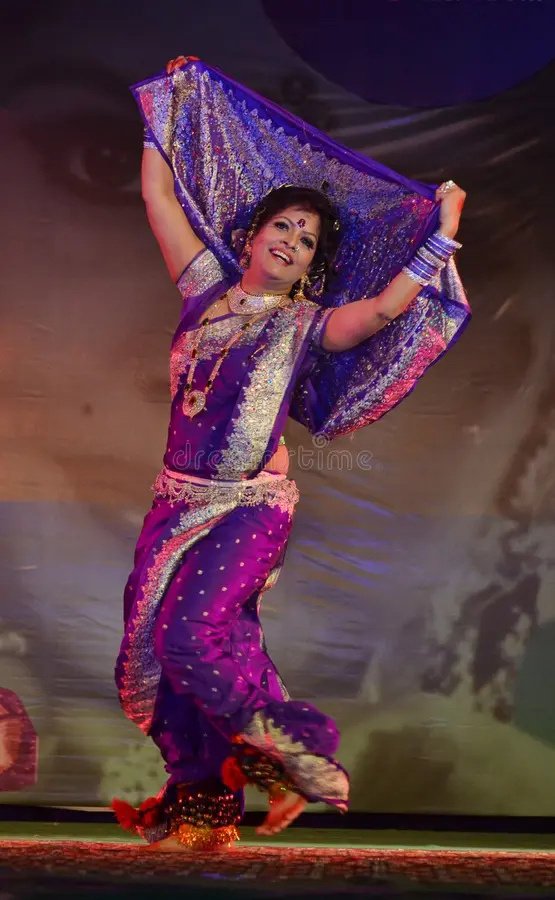
Lavani is a popular folk dance of Maharashtra. It developed during the 17th–18th century and flourished during the rule of the Maratha Empire and the Peshwas. It was traditionally performed to entertain soldiers and the public.
Lavani is closely associated with the folk theatre tradition of Maharashtra called Tamasha.
The dancer wears a nine-yard saree (Nauvari) draped in a special Maharashtrian style that allows free movement for energetic steps. The hair is tied in a bun decorated with flowers.
Lavani is performed with lively, energetic folk music. The rhythmic beats guide the dancers’ movements and expressions.
Performed on the powerful rhythm of the Dholki, Lavani combines energetic movements, expressive gestures and rhythmic footwork, with great focus on abhinaya and strong body movements matching the fast beats.
Lavani songs are based on Marathi poetry expressing love, social themes, devotion and humour. The lyrics are rhythmic, lively and sometimes dramatic.
Performed on stage or in traditional Tamasha folk theatre, with live musicians and singers, creating a lively and interactive atmosphere.
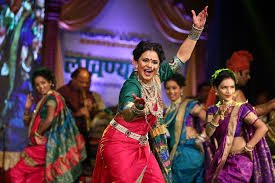
Lavani is an important part of Maharashtrian folk culture and heritage. It combines dance, music, poetry and theatre, and is known for its powerful rhythm, expressive storytelling and energetic performance style.
Famous Lavani dancers: Yamunabai Waikar, Surekha Punekar and Sulochana Chavan.